
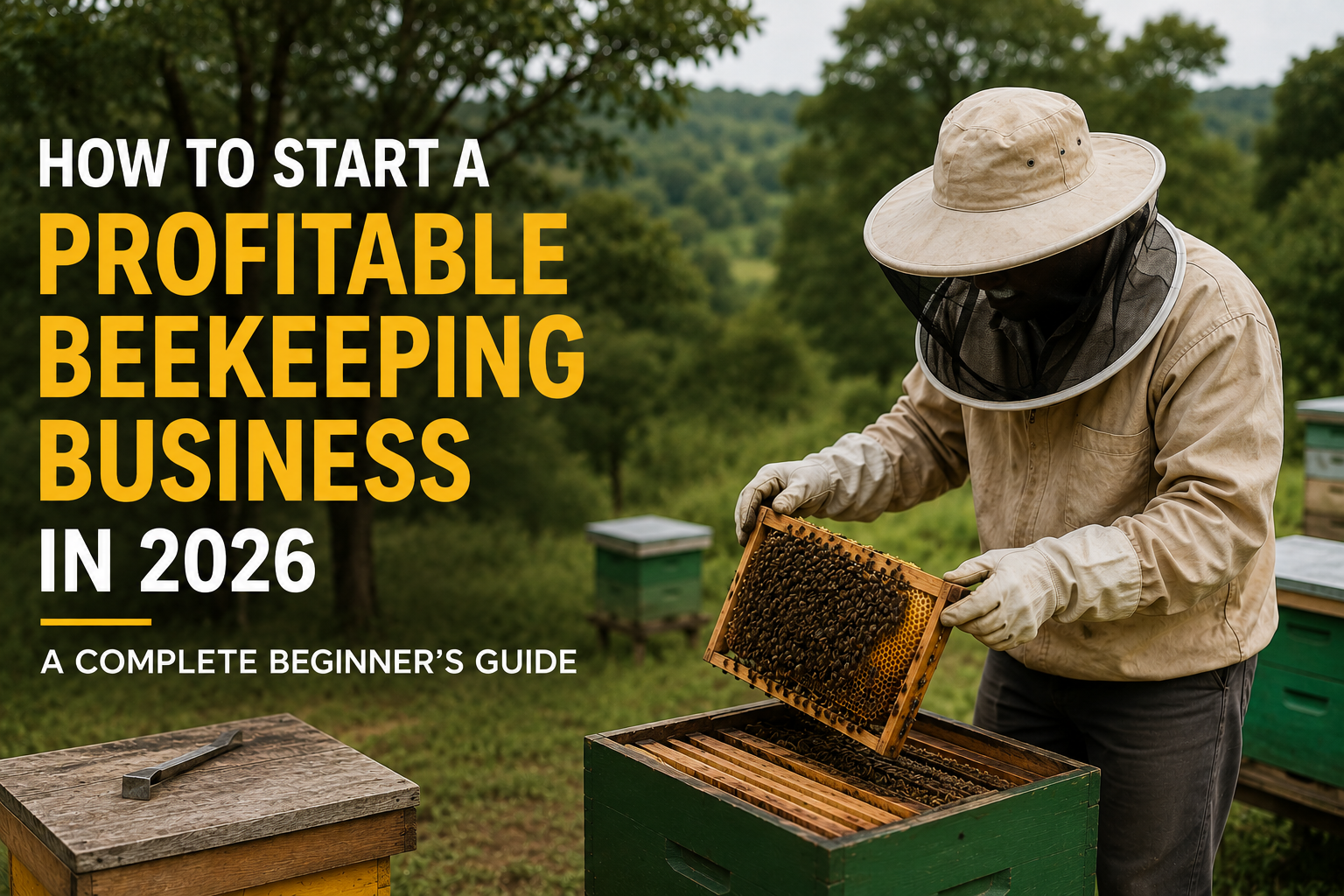

Want to start a profitable business in Kenya with little capital, minimal labour, and high income potential? Beekeeping could be the opportunity you’ve been looking for.
Every year, thousands of Kenyans retire, leave formal employment, or look for better ways to earn extra income. Many want a business that doesn’t require huge amounts of land, expensive machinery, or full-time supervision.
That’s why beekeeping in Kenya is becoming one of the fastest-growing agribusiness opportunities.
Kenya is among Africa’s leading honey-producing countries, yet demand for pure, natural honey continues to outpace supply. This creates an excellent opportunity for anyone interested in starting a profitable honey farming business.
Whether you’re a beginner or have no farming experience, this guide explains everything you need to know—from startup costs and equipment to choosing the right location and maximizing your profits.
Why Beekeeping Is a Smart Business in Kenya
Unlike many agricultural businesses, beekeeping is affordable, flexible, and easy to scale.
1. Low Startup Costs
You don’t need millions of shillings to begin.
With a small investment, you can purchase several Langstroth beehives, protective gear, and essential tools. As your colonies grow, you can expand your apiary gradually.
2. Minimal Labour
Bees do most of the work.
Unlike poultry or dairy farming, bees don’t require daily feeding or constant supervision. Your main tasks include:
- Inspecting hives
- Monitoring colony health
- Harvesting honey
- Managing pests
This makes beekeeping ideal for employed professionals, retirees, and part-time farmers.
3. Small Land Requirement
One of the biggest advantages of beekeeping in Kenya is that you don’t need large farmland.
You can keep hives:
- On a small backyard
- Along farm boundaries
- On leased farmland
- In orchards
- Near forests and flowering vegetation
Many crop farmers actually welcome beekeepers because bees improve crop pollination and increase harvests.
4. Multiple Sources of Income
Honey is only one product.
Modern beekeepers also earn from:
- Pure honey
- Beeswax
- Bee pollen
- Propolis
- Royal jelly
- Bee venom
The African market for value-added bee products continues to grow, creating even more income opportunities.
5. Excellent Retirement Business
Many successful Kenyan beekeepers started after retirement.
The work is less physically demanding than many farming enterprises and provides a steady source of income for years.
Why Honey Farming Has Huge Potential in Kenya and Africa
Demand for quality honey continues to rise across:
- Kenya
- East Africa
- The Middle East
- Europe
- International export markets
Consumers are increasingly looking for:
- Raw honey
- Organic honey
- Pure natural honey
- Traceable local honey
Unfortunately, local production still falls short of demand.
This supply gap gives new beekeepers an excellent opportunity to build profitable businesses.
Choosing the Best Beehive for Maximum Honey Production
One of the most important decisions you’ll make is selecting the right hive.
Traditional Log Hives
Although inexpensive, traditional log hives:
- Produce lower yields
- Are difficult to inspect
- Make honey harvesting harder
- Are not ideal for commercial production
Kenya Top Bar Hive (KTBH)
The Kenya Top Bar Hive is an improvement over traditional hives but still has limitations for large-scale honey production.
Langstroth Hive (Recommended)
If your goal is building a profitable beekeeping business, the Langstroth Hive is the best option.
Benefits include:
- Higher honey yields
- Easy hive inspection
- Better colony management
- Easier harvesting
- Simple expansion
- Commercial-scale production
A complete Langstroth hive setup includes:
- Brood box
- Honey super
- Frames
- Wax foundation sheets
- Hive stand
- Inner cover
- Roof cover
Buying from an experienced supplier like Savannah Honey Africa also gives you access to expert guidance on hive setup, colony management, and long-term success.
Cost of Starting a Beekeeping Business in Kenya (2026)
Here is a realistic budget for someone starting with 10 Langstroth hives.
| Item | Estimated Cost (KES) |
|---|---|
| 10 Complete Langstroth Hives | 80,000 – 120,000 |
| Protective Suit, Gloves & Boots | 8,000 – 15,000 |
| Smoker & Hive Tool | 3,000 – 5,000 |
| Bee Lure / Colony Establishment | 10,000 – 20,000 |
| Beekeeping Training | 5,000 – 15,000 |
| Estimated Total Investment | 106,000 – 175,000 |
Compared to many agribusiness ventures, beekeeping requires relatively low startup capital while offering excellent income potential.
How Much Can You Earn From Beekeeping?
A well-managed Langstroth hive can produce:
- 10–15 kg of honey per harvest
- 3–4 harvests every year
With 10 hives, that’s approximately 300–600 kg of honey annually.
Depending on quality, branding, and your target market, pure honey may sell for KES 1,500–2,500 per kilogram.
This creates the potential for significant annual revenue, especially when you also sell beeswax, propolis, pollen, or other value-added bee products.
Your actual income will depend on:
- Colony strength
- Weather conditions
- Hive management
- Available forage
- Marketing strategy
Best Places for Beekeeping in Kenya
Location plays a major role in honey production.
The best apiary sites have:
- Plenty of flowering plants
- Reliable water sources
- Minimal disturbance
- Good shade and airflow
Some of Kenya’s top beekeeping regions include:
Mt. Kenya Region
- Meru
- Nyeri
- Kirinyaga
Excellent forest forage and premium honey production.
Western Kenya
- Kakamega
- Bungoma
Rich vegetation and long flowering seasons.
Rift Valley
- Narok
- Trans Nzoia
Strong honey yields due to diverse flowering plants.
Laikipia and Samburu
Ideal for producing highly sought-after Acacia honey.
Coast Region
- Kilifi
- Kwale
Known for premium mangrove honey with export potential.
Even peri-urban areas around Nairobi, including Utawala, Ruai, and Limuru, can support successful beekeeping with proper hive placement.
Why Beekeeping Training Is Essential
Many beginners lose colonies simply because they lack proper training.
Professional training teaches you how to:
- Inspect hives safely
- Identify the queen bee
- Prevent swarming
- Control pests and diseases
- Harvest honey correctly
- Process honey hygienically
- Keep accurate production records
Learning these skills early can save you thousands of shillings and help you build a successful apiary from the start.
Savannah Honey Africa offers practical, hands-on training designed specifically for Kenyan beekeepers, covering both beginner and advanced techniques.
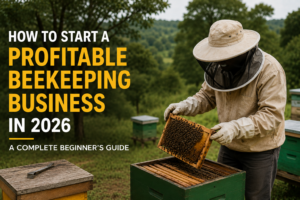
Choosing reliable equipment is just as important as choosing the right location.
Savannah Honey Africa supplies:
- Complete Langstroth hives
- Protective clothing
- Smokers
- Hive tools
- Bee lures
- Honey harvesting equipment
- Beekeeping training
- Technical support for beginners
Their experienced team also provides guidance on apiary setup, hive management, and marketing your honey.
Start Your Beekeeping Journey Today
The demand for pure Kenyan honey continues to grow across Kenya, Africa, and international markets.
Whether you’re looking for a retirement business, a side hustle, or a full-time agribusiness, beekeeping offers a practical path to long-term income.
Starting with quality equipment, proper training, and expert guidance gives you the best chance of success.
If you’re ready to begin, visit Savannah Honey Africa in Utawala, Nairobi, to explore modern beekeeping equipment, receive professional training, and learn how to build a profitable honey farming business in Kenya.
Contact Savannah Honey Africa
📍 Utawala, off Eastern Bypass, Nairobi, Kenya
📞 +254 724 052 975
Invest in the right knowledge today, and you’ll be well on your way to building a sustainable and profitable beekeeping business in Kenya.

0 Comments