


Introduction — The Reality of Retirement in Kenya
Let’s talk about retirement in Kenya the way it actually is, not the way it’s often presented.
Most retirees receive a NSSF payout, gratuity, or pension lump sum, which feels substantial at first. But within a few years, rising living costs, family responsibilities, and inflation reduce its value significantly.
Many retirees end up placing their savings in money market funds earning 8–12% annually. While safe, this rarely builds long-term wealth or creates meaningful daily engagement.
This is why many Kenyans are now exploring retirement investment opportunities in agriculture, especially beekeeping in Kenya.
Why Beekeeping Is a Powerful Retirement Investment in Kenya
Beekeeping sits between passive investing and active business ownership.
It is neither fully passive like a unit trust nor as demanding as retail or livestock farming.
When properly set up, beekeeping in Kenya can generate 30–60% ROI annually, making it one of the most attractive retirement businesses.
Why Retirees in Kenya Are Choosing Beekeeping
Across Kenya, former teachers, civil servants, military officers, and entrepreneurs are turning to honey farming as a retirement business.
1. Low Time Commitment
A 20-hive apiary requires only 4–6 hours per week of active management. Bees handle the rest.
2. Manageable Physical Effort
Hive inspections involve lifting honey supers (15–20 kg), but overall labor is far less intense than traditional farming or livestock keeping.
3. Mentally Engaging Work
Beekeeping offers continuous learning in:
- Bee behavior
- Colony health
- Honey production cycles
- Seasonal flowering patterns
Many retirees find it intellectually stimulating and rewarding.
4. Flexible Scaling
Start small with 5 hives and scale to 20, 50, or more depending on energy and interest.
This flexibility makes it ideal for retirement income planning in Kenya.
Beekeeping Income Potential in Kenya (Real Financial Model)
Here is a realistic model based on 20 Langstroth hives in a good honey production zone in Kenya:
Revenue Estimate
- 20 hives
- 12 kg per hive per harvest
- 3 harvests per year
- Total: 720 kg of honey annually
- Price: KES 1,800 per kg
👉 Annual Gross Income: KES 1,296,000
Estimated Annual Costs
- Hive maintenance & repairs: KES 30,000
- Protective gear: KES 5,000
- Harvesting & processing: KES 20,000
- Transport: KES 30,000
- Miscellaneous: KES 15,000
👉 Total Costs: KES 100,000
Net Profit Potential
👉 Net Annual Income: ~KES 1,196,000
This translates to roughly:
👉 KES 100,000 per month from 20 hives
with only 4–6 hours of weekly work.
Startup Cost for Beekeeping in Kenya
To set up 20 Langstroth hives:
- Hives, equipment, training, and setup:
👉 KES 300,000 – 400,000
Return on Investment (ROI)
👉 Potential ROI of up to 300% in Year 1
This makes beekeeping one of the strongest retirement investment opportunities in Kenya and Africa.
Additional Income Streams in Beekeeping (Beyond Honey)
Most beginners focus only on honey, but experienced beekeepers earn from multiple products:
Beeswax
- Price: KES 600–900 per kg
- Used in cosmetics, candles, leather care
H3: Propolis
- Price: KES 3,000–8,000 per kg
- Used in natural medicine and supplements
H3: Bee Pollen
- Price: KES 2,000–4,000 per kg
- Growing demand in health and wellness markets
Bee Venom (Emerging Market)
- High-value export product
- Can exceed KES 1,000,000 per kg internationally
- Requires specialized collection equipment
Nucleus Colonies (Nucs)
- Price: KES 8,000–15,000 per unit
- High demand during swarming seasons
Risks of Beekeeping in Kenya (And How to Manage Them)
Like any agricultural investment, beekeeping has risks:
1. Colony Loss
Caused by:
- Disease
- Pesticides
- Drought
- Poor management
👉 Solution: Proper training and mentorship
2. Market Access Challenges
Producing honey is easy — selling it is critical.
👉 Solution: Work with buyers and structured market networks.
3. Weather Dependency
Rainfall and flowering patterns affect honey production.
👉 Solution: Strategic apiary location and hive management.
Is Beekeeping a Good Retirement Investment in Kenya?
Yes — when done correctly.
Beekeeping offers:
- Stable income
- Low labor requirements
- Scalable growth
- Environmental benefits
- Long-term sustainability
It is one of the most practical retirement business ideas in Kenya today.
Getting Started With Beekeeping in Kenya
If you’re approaching retirement or already retired and have KES 150,000 – 500,000, beekeeping is worth serious consideration.
Start by:
- Visiting a professional apiary
- Understanding hive systems
- Receiving proper training
- Learning market access strategies
Where to Get Beekeeping Support in Kenya
Savannah Honey Africa provides:
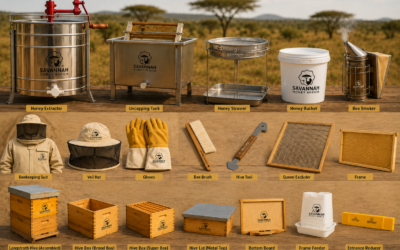
- Langstroth beehives
- Beekeeping equipment
- Practical training
- Apiary setup guidance
- Market linkage for honey and bee products
📍 Location: Utawala, Off Eastern Bypass, Nairobi
📞 Tel: +254 724 052 975



0 Comments